
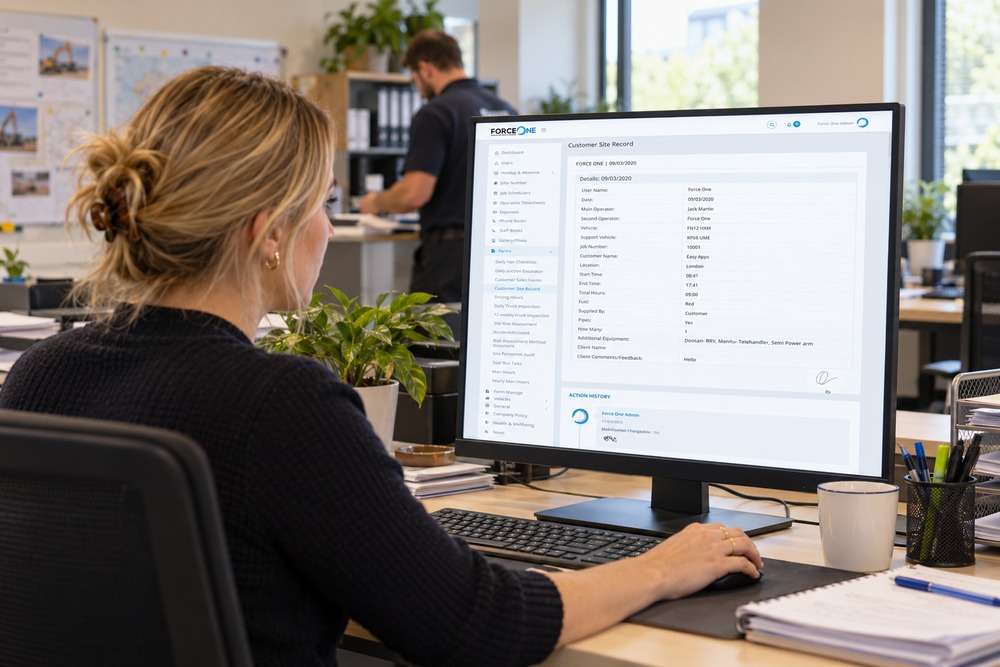
HubSpot provides a ready-made CRM environment for contacts, companies, deals and activities. A bespoke CRM is built to reflect specific customer relationships, record types and business rules. Both can be viable; the difference is whether you adapt the process to the platform or design the platform around the process.
Before comparing, decide what your team actually needs: a consistent sales pipeline, complex contract records, shared customer history, specialist quoting, or all of these.
What is the difference?
HubSpot
An established CRM platform with configurable records, sales tools and integrations. Available capabilities vary by product, subscription and user permissions; assess the plan you would actually purchase.
Bespoke CRM
A custom-built system created around agreed business workflows, data and integrations. It offers design flexibility but requires requirements work, implementation, testing, hosting and support.
At-a-glance comparison
| Consideration | HubSpot | Bespoke CRM |
|---|---|---|
| Time to start | Often faster for standard CRM tasks | Requires planning and development |
| Sales workflows | Configurable within product capabilities | Defined around required business rules |
| Broader ecosystem | Existing tools and integrations | Selected integrations built or maintained as needed |
| Cost structure | Subscriptions, seats and add-ons | Development and ongoing operation |
| Control | Supplier roadmap and platform terms | More control over design and release priorities |
When HubSpot is a good fit
A business needing contact records, deal stages, tasks and consistent sales activity should test a configured HubSpot pipeline before commissioning a replacement. The key is disciplined adoption: even capable software performs poorly when sales teams use different stages and do not record the next action.
When bespoke CRM becomes worth considering
Some organisations manage work that does not fit neatly into sales stages. An engineering firm might need customer records connected to sites, assets, inspections, quotations and service visits. A bespoke CRM could make those relationships central to the user experience. Check whether configuration or integration with an existing CRM would solve the problem first.
Data and integrations
Write down which system owns the customer record, how duplicates are matched and how changes reach accounting, support or job management. Review available API capabilities, authentication and error handling. A bespoke CRM does not eliminate these requirements; it makes you directly responsible for them.
Compare total cost and change risk
Consider implementation, migration, user permissions, training, recurring licences, development, support and future updates. Vendor pricing and included features can change. Model actual users and workflows over three years instead of comparing an advertised starting price with a complete custom build.
A practical business example
Suppose a business has ten sales staff tracking ordinary opportunities and a separate operations team scheduling site work. HubSpot might suit sales well, with an integration to the operations system. If staff spend hours copying customer, property and asset information between incompatible screens, a unified custom interface or bespoke system may deserve investigation. Neither decision should be made before following a real job across departments.
How to decide
- Trial HubSpot using an actual sales process and realistic data.
- List the specific workarounds that remain after sensible configuration.
- Check contract terms, export options and integration responsibilities.
- Commission bespoke work only when the additional control solves a measurable business problem.
If staff regularly repeat administrative work, our free paperwork cost calculator can help put a value on that effort. It is an estimate based on your figures, not a promise of savings.
Frequently asked questions
Can HubSpot be customised?
Yes, within the capabilities of the relevant subscription and product. Verify any required custom objects, automation and permissions before committing.
Will a bespoke CRM integrate with other software?
It can be designed to integrate, subject to the other systems offering suitable interfaces and access.
Does bespoke mean no ongoing fees?
No. Hosting, support, backups, security, monitoring and future changes still need funding.
Can we keep HubSpot and build something bespoke alongside it?
Yes. An integration or specialist operational application can be preferable to replacing a working CRM.
Discuss the right solution for your business
Digital Solutions develops bespoke business software, mobile apps and integrations for UK organisations. We can help assess the current process, identify what can be achieved with existing software and discuss when custom development could add value. There is no need to prepare a technical specification before getting in touch.
Related Digital Solutions resources
Product information and further reading
For current supplier capabilities and licensing, consult the product provider directly: