
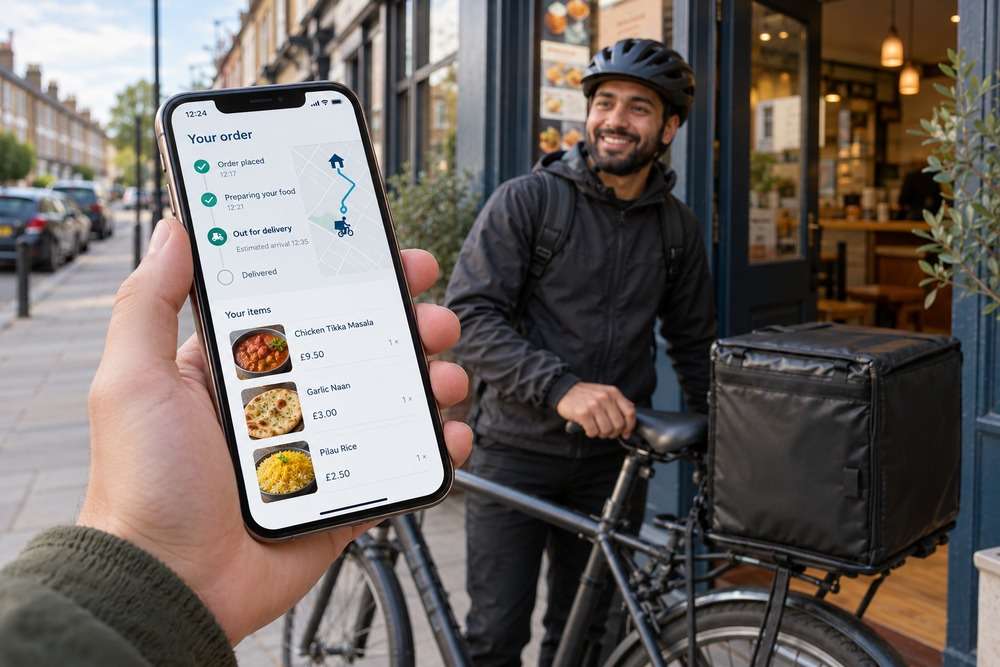
One person organising a group order can end up chasing everybody: what do you want, have you paid, and are you still changing your mind? A dedicated ordering journey could make those stages visible without requiring the organiser to rebuild the order from messages.
Give the group a shared deadline
An organiser could create an order, choose the collection or delivery arrangement and invite participants. Each person could make their own selection within the agreed catalogue and cut-off time.
The business needs to distinguish an unfinished basket from an order it has accepted. Showing an item in a group view should not automatically reserve stock or promise fulfilment.
Decide how payment works
You might want each participant to pay separately, one organiser to pay the total or an approved business account to be invoiced. Those are different operating models and should be agreed before development.
Payment handling would use a suitable supported provider. A first version should have clear states for pending, confirmed, failed and refunded payments, with the responsibilities for each agreed.
Handle changes without losing the order
Decide whether people can edit a selection after paying, what happens if a participant misses the deadline and who approves substitutions. If the whole order is cancelled, the organiser and business need to see what requires action.
The supplier should receive a confirmed version with enough detail to prepare and distribute the individual selections.
Pilot one type of group order
Start with one product range and one collection model. Digital Solutions can plan the participant screens alongside the administration needed to review orders and deal with changes.
Explore the relevant software
Restaurant and catering software
You can also explore our custom software development and mobile app development services, or email info@digitalsolutions.help.