
Start by identifying the office work that increases every time you add a customer, employee or job. A shared system can reduce repeated collection and re-entry of information, but growth also needs clear responsibilities. The useful goal is to increase the amount of work your team can manage, with a process that remains understandable.
What could this look like in practice?
A field-service business takes on more jobs. Staff email timesheets, photographs and expenses, and an administrator sorts each submission manually. A proposed system could collect these against the job and show incomplete records in a review queue. The office still makes decisions, but spends less effort assembling the information.
Where should you start?
- List tasks that grow with job volume.
- Measure the administration needed for a typical completed job.
- Choose one repeated collection process to improve first.
- Compare the pilot with similar jobs before extending it.
Questions and answers
Does software remove the need for office staff?
It changes how some tasks can be handled; it does not remove the need for judgement, customer service and operational management. Assess whether it releases useful capacity rather than assuming a staffing reduction.
What if recruitment is already difficult?
Prioritise processes that consume scarce staff time without adding much value, such as finding attachments or entering the same job details again. Keep enough oversight to check submissions and resolve exceptions.
Would we need bespoke software?
Not necessarily. First check whether suitable existing tools or a change to the process can meet this requirement. A dedicated system is worth investigating where an important gap remains. Demonstrate your normal workflow and an exception so the proposed approach can be assessed against real work.
What affects the cost?
The scope, user roles, information handled, integrations and testing requirements all affect the work involved. Hosting, maintenance and support also belong in the overall budget. Agree the essential first release before requesting an estimate; a generic price cannot establish what your particular project needs.
A relevant project example
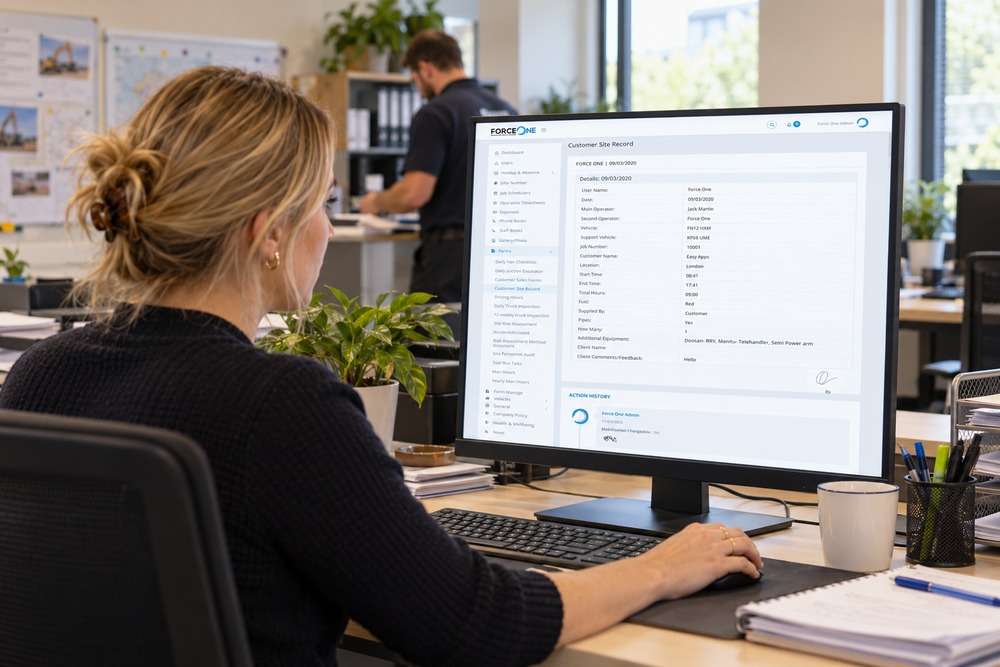
The Force One project illustrates a staff mobile app alongside an office management system, with forms, vehicle records and staff administration. It is a useful example of designing around different roles; the features required for your business would be agreed separately.
Plan a useful next step with Digital Solutions
Bring a typical record and explain where work gets delayed, repeated or handed over. Digital Solutions can help define a practical software requirement around those tasks. Agree what a successful first version should achieve, how staff will test it and who will maintain the process after launch.
Explore our custom software development services or view our projects.