
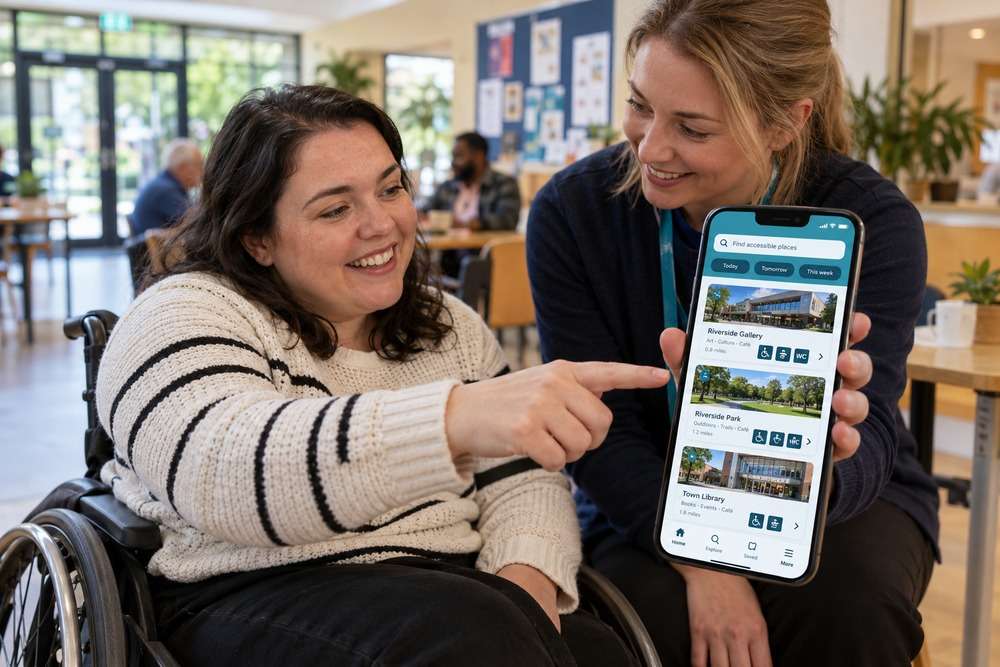
A family coordination app could organise visits, shopping and agreed everyday tasks around someone receiving support. It should be built around that person's preferences and consent, rather than assuming every relative should see everything.
Users need clear roles for viewing information, accepting tasks and changing arrangements. A completed visit and a message saying someone intends to visit are different records. Sensitive notes should be limited to people who need them.
Begin with a small set of practical responsibilities and test a missed visit and a last-minute substitution. Include an agreed urgent-contact route outside the app. The software can support communication and organisation, but it should not be presented as a monitored emergency service or a replacement for professional care arrangements.
Related reading: Mobile App Accessibility: Make Your App Easier to Use.