
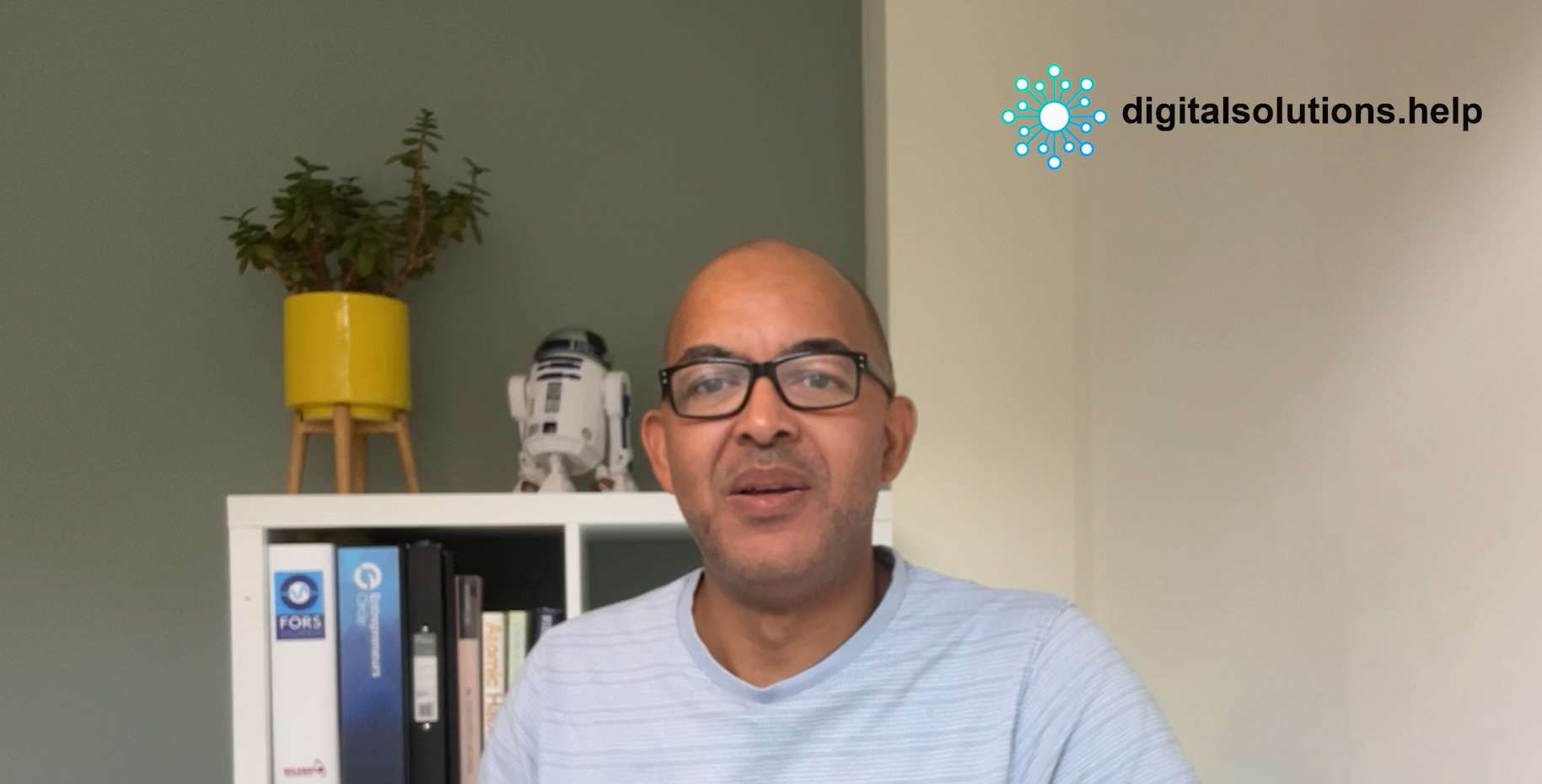
By Rob Steadman, Digital Solutions
“If they can send a text, they can use a system we design.” That is how I explain the standard we aim for when a client worries that their staff are not technical.
The complexity of building a system should not become unnecessary complexity for the person doing an everyday task. We look at the controls, the order of actions and how quickly someone can complete the work they came to do.
Involving the people who will use it
We involve members of staff who are less confident with technology. They help us see whether the controls make sense in practice. We look at ergonomics and flow: how the interaction feels and whether it follows the task naturally.
This is part of development, alongside ongoing testing. Client staff try real tasks, giving us an opportunity to understand how the system works for them as it takes shape.
Changing the task when that helps
An expenses workflow provides a practical example. Staff were struggling to read receipts and enter the information, so we changed the process. They could photograph the receipt, let the app fill in the details, then check and correct them before submission.
The office could approve the expense in the admin panel. The work remained understandable at both ends, with people retaining the relevant checks.
My comment about sending a text expresses our design approach. We still need to understand the actual users, their tasks and any individual access requirements. Simplicity is something to work through with them, rather than assume from a finished screen.
You can explore software development and mobile app development with Digital Solutions. Staff confidence is a useful subject to raise during a consultation; it helps us understand the people the system needs to serve.